10 ways you can help save endangered bees

10 ways to be a friend to bees

Flickr / usfwsmidwest

Editors note: This article was produced in partnership with Earth Day Network. In a democracy, every voice matters. Click here to pledge to vote on environmental progress in 2020.

If you’re living in the Northeast or the Midwest of the U.S., you might’ve noticed something missing this spring.

As the weather warms and flowers bloom, bumblebees should be starting to come out in full force. Unfortunately, for some species, their “full force” is a lot less than it used to be.

Populations of the rusty patched bumblebee (bombus affinis) have declined by 90% in recent years. They were the first bumblebee in the country to officially be classified as endangered. Once found in 28 states, plus D.C., they now show up in just 13.

As dire as the numbers are, the situation isn’t hopeless. There are simple steps that you can take to help the rusty patched bumblebee—and other bee species—get back to buzzing around your yard. Check out some easy changes below:
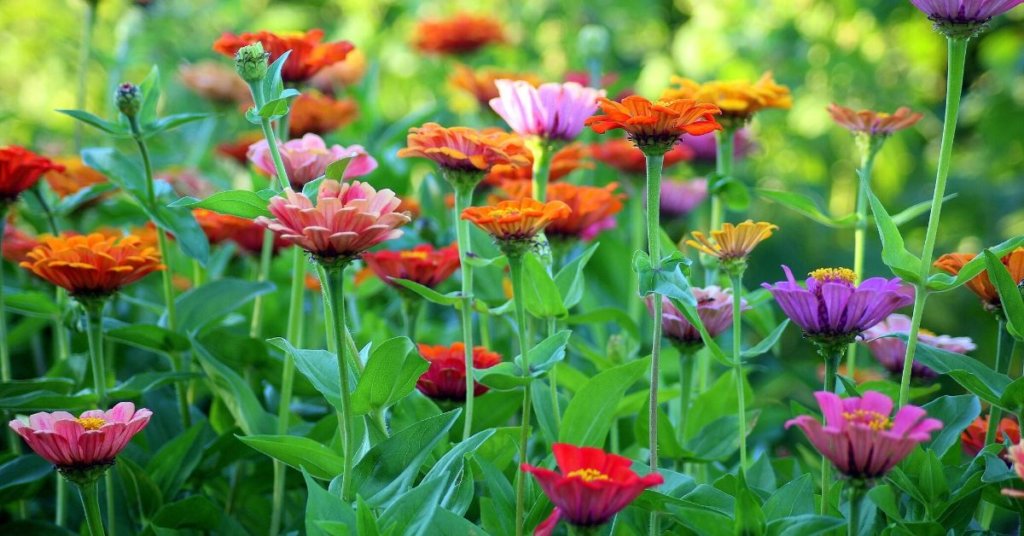
1. Grow native plants

10 ways to be a friend to bees 1

Canva

When planning your garden, prioritize the flora that local species depend on for food. Check out these regional guides to locate some pollinator-friendly plants.

2. Get involved in banning pesticides…

These blue bees have buzzed their way into our hearts 5

Canva

Industrial-level farms in the US continue to use pesticides called neonics, which were largely banned across the EU due to their toxic impact on bees. The U.S. Public Interest Research Group is running a campaign to get states to make these pesticides illegal since the EPA refuses to act on a federal level. Check out their work here to learn how you can get involved in banning these bee-killing chemicals.

3. …and keep them out of your garden

10 ways to be a friend to bees 3

Canva

The worst pesticide offenders are the large-scale farmers, but what you use still matters. Instead of just grabbing brand-name pesticides off the shelves, check out this list so you can make an informed decision about how to best protect your plants.

4. Source your plants responsibly

10 ways to be a friend to bees 2

Pixabay

Unfortunately, a lot of plants that you buy from big retailers are already contaminated with bee-killing pesticides. That means that even if they’re native plants, and even if you don’t add any additional pesticides, they could still harm the very bees you’re trying to help. Consider growing your plants from seeds. Or get your plants from local nurseries that are committed to growing without pesticides.

5. Leave your leaves alone

10 ways to be a friend to bees 4

Pixabay

Instead of completely raking your yard, consider letting the leaf litter lie dormant until spring. Why? It’s where bumblebee queens often nest in the winter.

6. Offer water—but not sugar water!

These blue bees have buzzed their way into our hearts 9

Flickr: Judy Gallagher

Bees need to stay hydrated. A shallow dish lined with rocks or marbles and topped with a little bit of water can help them out. But don’t leave out plates full of sugar water. As one beekeeper explains, this is essentially “junk food” for bees, and it can disrupt their typical feeding routines.

7. Keep your garden going year-round

10 ways to be a friend to bees 5

Flickr: tejvan

When you’re planning your garden of native plants, try to include ones that bloom at all different points, suggests National Geographic. Why? Well, bee species vary in terms of when they’re active. That means that no matter what time of the year it is, there are probably some bees nearby who need to eat.

8. Rethink your lawn

10 ways to be a friend to bees 6

Canva / Pixabay

Okay, so your homeowner’s association might object. But the fact of the matter is that with all the water, fertilizer, and pesticides we use to maintain them, the traditional lawn is absolutely horrible for the environment. Killing your lawn and replacing it with native plants is much greener than a patch of ornamental grass will ever be.

And getting rid of your lawn would specifically benefit bees. Here’s some advice from the US Fish and Wildlife Service on protecting bumblebees:

Provide natural areas - many bumble bees [sic] build nests in undisturbed soil, abandoned rodent burrows or grass clumps. Keep some unmowed, brushy areas and tolerate bumble bee nests if you find them. Reduce tilling soil and mowing where bumble bees might nest.

9. Plant a tree

This freshman Democrat drives conservatives crazy: Katie Porter’s greatest takedowns and clapbacks 1

Canva

You don’t have to limit your bee-friendly planting to your garden beds. Bumblebees prefer cooler temperatures. Planting trees, particularly in urban environments, can help provide a haven for bees as the planet gets hotter.

10. Become an advocate against climate change

These blue bees have buzzed their way into our hearts 8

Flickr: Nature.Catcher

And on that note, anything that you can do to help heal the earth will help the bumblebees. The cause of their population decline isn’t singular, but rising temperatures probably play a big role. One study suggests that widespread “climate chaos” is what’s causing their numbers to fall.

With that in mind, anything that you can do to help fight the greenhouse gas emissions that are a major cause of climate change will, in turn, help the bees. Whether that’s driving less, protesting pipelines, or voting for candidates who support a Green New Deal, the effects will trickle down. And that’s something we should all “bee” fighting for.

You May Also Like:

*****
Back To Front Page