7 signs we have ALREADY passed peak oil demand

descriptive image of zoom calls and the big oil habit

Unsplash

Could coronavirus be the push we need to finally cut our dependency on oil products?

The current crisis has changed daily life in a multitude of ways. But it isn’t yet clear how many of those changes will last as infections and death rates start to decline. No one can predict what a new “normal” will look like.

However, there’s cause for optimism that coronavirus could help us kick our oil habit once and for all. As the oil industry flounders, here are seven reasons to be hopeful that we could soon enter a new era of cleaner energy.

1. Zoom and other work-from-home technologies are cutting down the need to travel

will zoom be the death of oil

Canva

Even before the coronavirus crisis, demand for crude oil had already begun to slow down. Then, stay-at-home measures caused many employees to begin working from home. With fewer cars on the road, the need for oil plummeted.

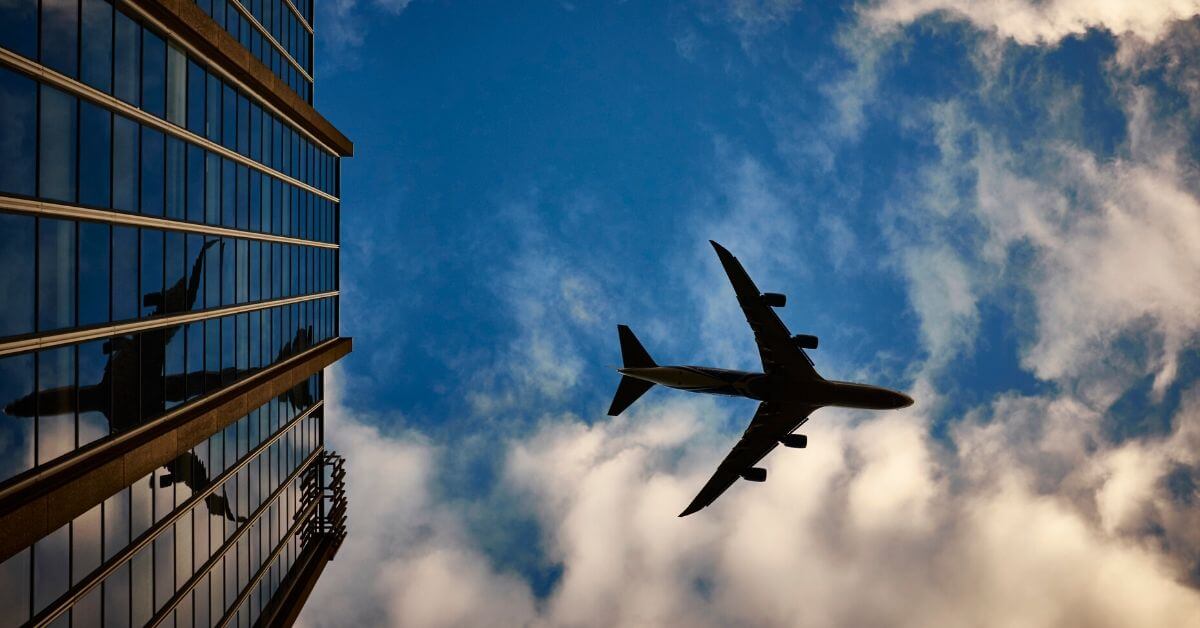
Even as the economy starts to reopen, businesses are realizing that teleconferencing provides a more cost-efficient alternative to travel. Going forward, many companies may choose to conduct meetings over platforms like Zoom. In fact, one official at Goldman Sachs predicts that business travel isn’t going to reach its previous levels anytime soon — meaning that the airline industry will require 2 to 3 million fewer barrels of oil each day.

Twitter is one of the latest companies to commit to less business travel. Chief Executive Officer Jack Dorsey announced Tuesday that they will allow employees to work from home “forever,” according to The Guardian.

2. Oil companies are starting to go bankrupt

Will Zoom be the Death of Big Oil? 7 signs we are finally kicking the oil habit

Pixabay

Another sign that oil may no longer be king? Some producers are no longer financially viable. Chesapeake Energy, a once-powerful natural gas company that attempted to expand into oil, is currently considering bankruptcy. Diamond Offshore Drilling, a Houston-based producer, has already filed for Chapter 11.

And experts say that more could be on the way. Most oil companies carry with them some level of debt, especially after prices crashed in 2015.

With the drastic drop in demand, it’s likely that an increasing number of them will be unable to make payments on that debt, causing even more oil companies to file for bankruptcy.

3. Electric car optimism is brewing

will zoom be the death of oil

Flickr/Noya Fields

Transportation accounts for 69% of petroleum consumption in the US. The rise of electric vehicles, then, poses a significant threat to the industry.

Front Page Live Chief Executive Officer Joe Romm writes,

Within a few years, electric vehicles (EVs) will be superior to gasoline powered cars in every respect. In part, that’s because electric motors are vastly more efficient than gasoline engines. And it’s also in part because solar and wind power and batteries have seen staggering price drops in the past decade — and are projected to see equally big drops in the coming years.

In his article, Joe cites a study from one of the world’s largest banks that claims “the oil industry has never before in its history faced the kind of threat that renewable electricity in tandem with EVs poses to its business model.” In fact, the study found that in order to compete with renewable-energy powered electric vehicles, oil prices would have to fall to $11 to $12 a barrel. And as we’ve seen, the industry isn’t prepared to handle prices that low.

4. We’re seeing that it’s possible — and vital — to breathe cleaner air

will zoom be the end of oil

Canva

The crisis has made a lot of people realize that if we change our habits, we can start undoing some of the damage to our environment.

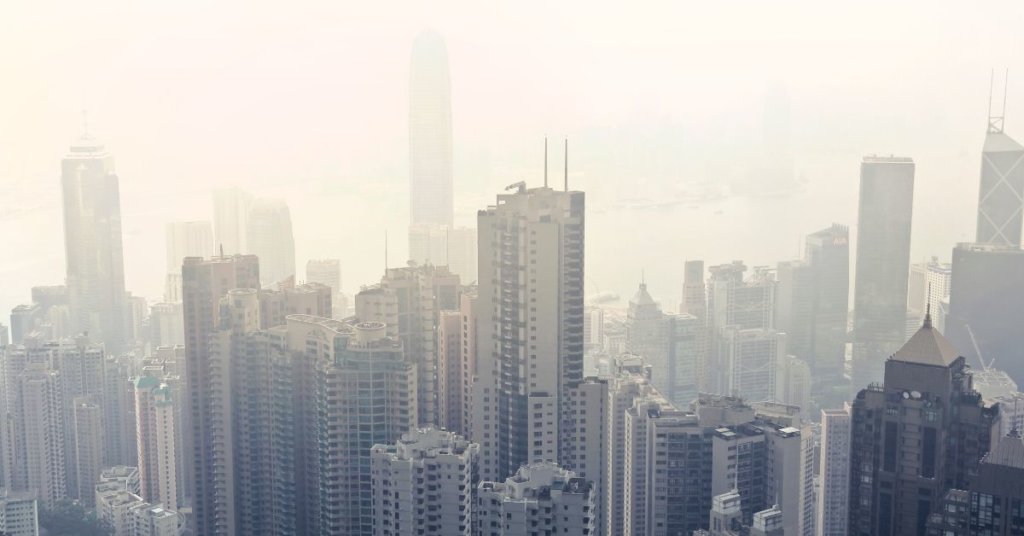
In the Northeast part of the US, NASA saw air pollution drop by 30% in March. And in New Delhi, air pollution between late March and early April fell by 60% from the same period last year.

But it’s not just that people are realizing a better world is possible — they’re also seeing that it’s necessary. A study from Harvard suggests that air pollution is linked to higher coronavirus death rates.

The realization that we need a cleaner world now could be motivation to stop relying on an industry that contributes massive amounts of air pollution.

5. People in high places are calling for a green recovery

will zoom kill oil

Canva

Although Axios isn’t optimistic that climate justice will play a major part in a post-coronavirus economy, they admit that the pressure is on:

It’s not just environmentalists clamoring for a green economic recovery. The United Nations, the International Monetary Fund and a broad swath of investors and corporate executives are calling for a range of clean-energy policies as well.

When powerful people and organizations push for greener economies, it signals that industries that do nothing but harm the environment may not have a bright future.

6. Oil is a bad investment

will zoom kill oil

Canva

In February, before the coronavirus hit crisis level, the Wall Street Journal published an article titled “Investors Retreat From Oil Firms in Sign of Rising Skepticism.” As oil companies contend with lower prices and an increased demand to reduce their carbon footprints, says the article, “The uncertainty has made investors skeptical about whether companies can boost profits and transform through new investments while paying out hefty dividends.”

Of course, the disease hasn’t made things better. The website oilprice.com writes about “Once-In-A-Lifetime Warnings For Oil Investors.”

And four energy experts all agree that now is absolutely not the time to buy oil stocks. As one puts it, investing in oil is “risky business in the best of times. Why buy in the worst of times?”

It’s also increasingly evident that people don’t need oil investments to be rich. Five years ago, the Rockefeller Brothers Fund almost completely divested from fossil fuels. The fund’s assets then grew at a greater rate than they would have if their portfolio continued to be invested in fossil fuels.

7. Experts believe we are past peak oil demand

will zoom be the death of oil

PublicDomainPictures / Ken Kistler

Some might argue that it’s too early to call the death of oil. There are predictions that the industry will rebound quickly.

But there are also many who believe it won’t. Mark Lewis, global head of sustainability research at the French banking group BNP Paribas, believes that we may be past peak oil demand:

In short, what we are seeing may be something more serious than some sand in the wheels of the juggernaut of rising oil demand, easily fixed via a historic supply cut and a V-shaped recovery. Instead, it may be the juggernaut’s engine finally flooding, no longer able to process the volume of liquid being pumped into its cylinders.

Seeing a plateau in global oil consumption sooner than expected is no longer a risk that can be easily ignored for the industry.

Another economic analyst with a history of noticing when oil companies are in danger, Deborah Lawrence, doesn’t think that shale and tarsands will be able to recover from the coronavirus crisis.

And there are even more oil executives, including the former leader of BP, who believe that “the world will be changed so indelibly that oil demand will struggle to regain the upwards trajectory that has underpinned the industry for over a century.”

No one predicted that the oil industry would fall into such dire straits due to a global pandemic, and no one can predict what the industry will look like in the years ahead. But there’s reason to hope that cleaner energy sources are slowly but steadily decreasing demand for oil and petroleum.  And these days, we could all use a little optimism.

You May Also Like:

*****
Back To Front Page